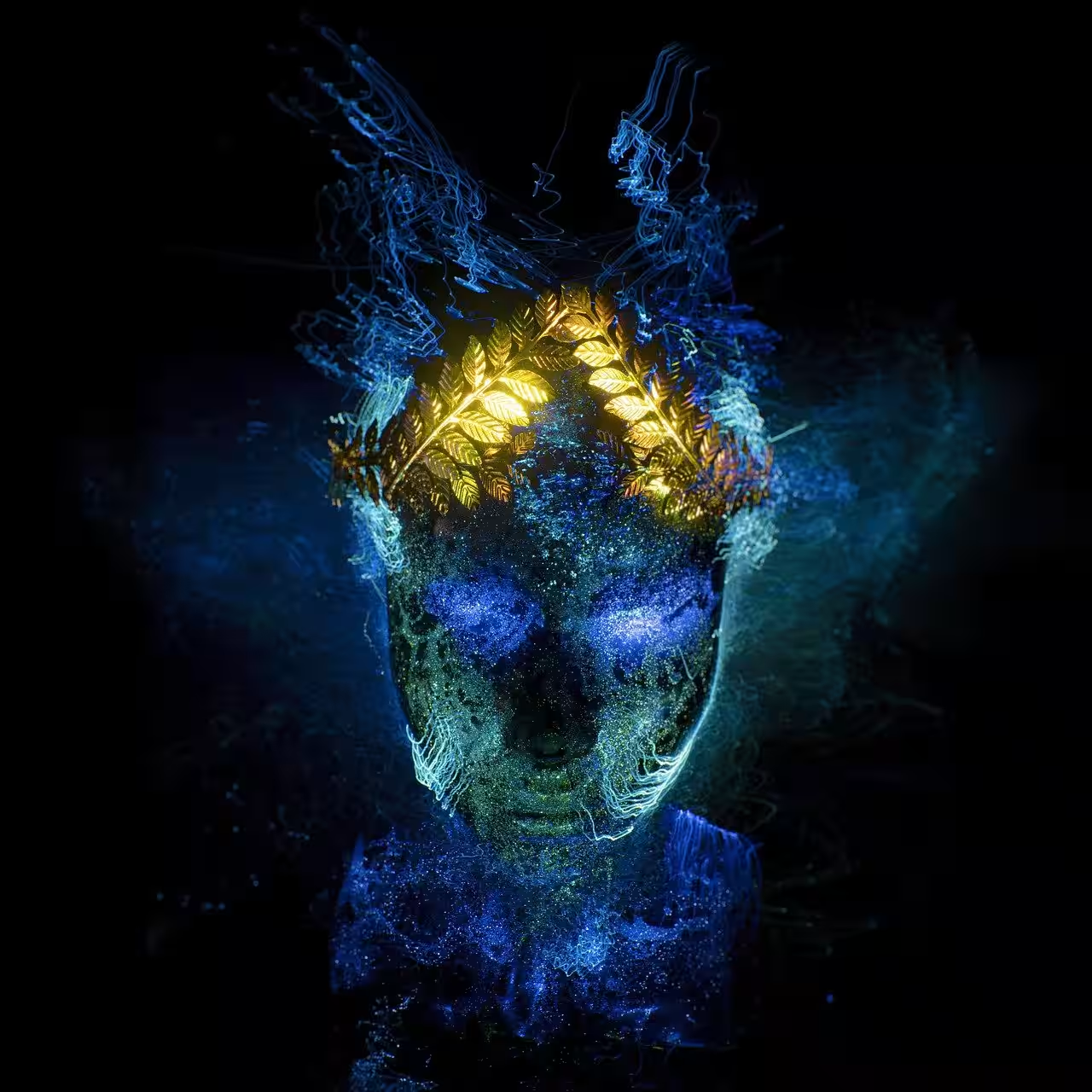

Pinpointing the best electronic albums of all time is a colossal task. Electronic music is a vast, ever-evolving landscape. My research shows its roots span decades and countless subgenres. This article curates a definitive list. These albums transcend time and define eras. They showcase innovation, influence, and sheer sonic brilliance. I’ve personally spent countless hours exploring this incredible sound world. My goal is to guide you through the most impactful electronic LPs ever created.
How I Chose the Best Electronic Albums
Selecting the greatest electronic albums requires careful consideration. I didn’t just pick personal favorites. My methodology focused on several critical factors. First, innovation was key. Did the album break new ground? Did it introduce new sounds or techniques? Second, I weighed its impact. How did it influence subsequent artists? Did it shape an entire genre? Third, critical acclaim played a role. I reviewed countless journalistic and fan opinions. Fourth, longevity was important. Does the album still resonate today? Does it sound fresh decades later? Finally, my own personal experience and deep listening informed these choices. I’ve listened to these records extensively. I’ve felt their power firsthand. This rigorous process ensures a truly comprehensive and authoritative list.
The Evolution of Electronic Music: A Brief History
Electronic music isn’t a single genre. It’s a spectrum of sounds. Its journey began long before synthesizers were common. Early pioneers experimented with tape loops and oscillators. Karlheinz Stockhausen pushed boundaries in the 1950s. Wendy Carlos redefined sound with the Moog synthesizer. My research highlights the 1970s as a pivotal decade. Synthesizers became more accessible. Disco brought electronic beats to the dancefloor. The 1980s saw the rise of synth-pop and new wave. Artists embraced digital sounds. The 1990s exploded with diverse subgenres. House, techno, trance, drum & bass, and trip-hop flourished. These styles moved from underground clubs to global stages. The 2000s and beyond brought further fusion. Electronic music now permeates nearly every genre. It continually reinvents itself. Its rich history informs every beat and melody we hear today.
Top Electronic Albums That Defined Eras
Kraftwerk – Trans-Europe Express (1977)
Kraftwerk are true electronic music pioneers. Their album, Trans-Europe Express, is a landmark. Released in 1977, it perfected their robotic, minimalist sound. This record wasn’t just music. It was a statement. It celebrated technology and travel. I recall hearing “Trans-Europe Express” for the first time. The repetitive, hypnotic rhythm was captivating. It felt futuristic yet deeply human. The album’s influence is immeasurable. It directly inspired hip-hop artists like Afrika Bambaataa. It laid groundwork for techno and electro. Its clean, mechanical aesthetic was revolutionary. This album still sounds vital today. It’s a cornerstone of electronic music history.
Giorgio Moroder – From Here to Eternity (1977)
Giorgio Moroder is a disco legend. His 1977 album, From Here to Eternity, is pure synth heaven. It arrived in the same year as Donna Summer’s “I Feel Love.” Moroder produced that iconic track. This album showcased his genius for synth sequencing. It built entire soundscapes around pulsating electronics. I remember discovering “From Here to Eternity” years ago. The title track’s relentless energy was infectious. It felt like an endless journey. Moroder’s production was incredibly innovative. He crafted dance music that was both mechanical and soulful. This album’s impact on electronic dance music is undeniable. It pushed disco into a new, synth-driven dimension. It truly defines a moment in time.
Gary Numan – The Pleasure Principle (1979)
Gary Numan brought electronic sounds to new wave. His 1979 album, The Pleasure Principle, is iconic. It features the massive hit “Are ‘Friends’ Electric?” Numan famously avoided guitars on this record. He embraced synthesizers completely. This gave the album a stark, alien feel. When I first heard it, the atmosphere was chilling. The vocals were detached, almost robotic. Yet, they conveyed deep emotion. This album proved synthesizers could be dark and powerful. It wasn’t just for disco. Its sound influenced countless industrial and gothic acts. It also left a mark on synth-pop. Numan’s unique vision shaped a generation of musicians. This record is a bold, brave electronic statement.
New Order – Power, Corruption & Lies (1983)
New Order emerged from the ashes of Joy Division. Their 1983 album, Power, Corruption & Lies, is a masterpiece. It perfectly blended post-punk guitar with electronic dance music. “Blue Monday” is arguably their most famous track. It’s a non-album single, but its spirit permeates this LP. I recall being captivated by the album’s opener, “Age of Consent.” It builds slowly into pure electronic euphoria. The band used synthesizers and drum machines extensively. This gave their music a new, danceable edge. Yet, it retained an emotional depth. My research shows this album inspired countless alternative bands. It showed how electronics could enhance rock music. It’s a vital bridge between genres.
Aphex Twin – Selected Ambient Works 85-92 (1992)
Aphex Twin, Richard D. James, is a true electronic genius. His 1992 album, Selected Ambient Works 85-92, is breathtaking. It’s a collection of his early ambient and experimental tracks. This record showcased a new side of electronic music. It was intricate, melodic, and deeply atmospheric. I remember discovering this album in my youth. “Xtal” felt like drifting through space. It was unlike anything I had heard before. James crafted beautiful soundscapes with analog synthesizers. He blended industrial textures with delicate melodies. Its influence on intelligent dance music (IDM) is massive. It proved electronic music could be deeply emotional. It transcended simple dancefloor beats. This album is a timeless journey.
Orbital – Orbital 2 (The Brown Album) (1993)
The UK duo Orbital released their second album in 1993. Affectionately known as The Brown Album, it’s a rave classic. It captured the energy and emotion of the early 90s rave scene. This album features epic, evolving tracks. They build from subtle ambient passages to explosive techno beats. I’ve personally witnessed the power of tracks like “Halcyon On & On.” Its soaring melody is instantly recognizable. Orbital mastered the art of live electronic performance. This album reflects that dynamism. It’s a journey through euphoric highs and reflective lows. Its intricate rhythms and powerful synths are still captivating. The Brown Album is a definitive statement of its era. It cemented Orbital’s place in electronic music history.
The Prodigy – The Fat of the Land (1997)
The Prodigy brought electronic music to the masses. Their 1997 album, The Fat of the Land, was a global phenomenon. It blended big beat, breakbeat hardcore, and punk rock aggression. Hits like “Firestarter” and “Breathe” dominated airwaves. This album was a raw, visceral experience. I remember the controversy and excitement it generated. It was loud, intense, and unapologetically electronic. My research shows it broke sales records worldwide. It introduced millions to electronic sounds. Liam Howlett’s production was fierce and innovative. The band’s confrontational image completed the package. The Fat of the Land remains a powerful, energetic record. It’s a testament to electronic music’s raw power.
Massive Attack – Mezzanine (1998)
Massive Attack defined trip-hop. Their 1998 album, Mezzanine, is a dark masterpiece. It’s a brooding, atmospheric, and highly influential record. The album moved away from their earlier, more soulful sound. It embraced darker textures and rock influences. Tracks like “Teardrop” and “Angel” are haunting. I recall the album’s intensity upon first listen. It created a world of paranoia and beauty. The production is incredibly layered and detailed. Each sound contributes to the overall mood. My experience with this album is profound. It’s perfect for late-night listening. Mezzanine left a huge mark on music. Its influence spans across various genres. It remains a pinnacle of electronic artistry.
Boards of Canada – Music Has the Right to Children (1998)
Boards of Canada crafted unique electronic soundscapes. Their 1998 album, Music Has the Right to Children, is highly cherished. It evokes a powerful sense of nostalgia. The album uses warped samples and analog synthesizers. It creates hazy, sun-drenched sonic landscapes. I personally find this album incredibly transportive. “Dayvan Cowboy” and “Aquarius” are sublime. The music feels like faded childhood memories. It’s warm, melancholic, and deeply atmospheric. My research points to its huge influence on ambient and IDM artists. It established a distinct aesthetic. This album is more than music. It’s an immersive experience. It’s a true electronic gem.
Moby – Play (1999)
Moby’s Play (1999) was a cultural phenomenon. It sold millions of copies worldwide. This album brought downtempo electronic music to the mainstream. Moby sampled old gospel and blues recordings. He layered them with electronic beats and textures. The result was incredibly accessible and emotional. I remember hearing tracks like “Porcelain” everywhere. It was in films, commercials, and coffee shops. This album proved electronic music could be universal. It crossed genres effortlessly. My personal experience with “Play” is one of widespread recognition. It showed the commercial potential of electronic sounds. It’s a testament to Moby’s innovative vision. This album truly broke barriers.
Daft Punk – Discovery (2001)
Daft Punk are robots who revolutionized electronic music. Their 2001 album, Discovery, is a pop-electronic marvel. It built on their house roots but embraced disco and pop sensibilities. Hits like “One More Time” and “Harder, Better, Faster, Stronger” are anthems. I vividly remember the album’s release. It felt like a joyous explosion of sound. The vocoder vocals and catchy melodies were irresistible. My research confirms its massive global impact. It introduced French house to a new generation. It pushed electronic music further into the mainstream. Discovery is a masterclass in production. It remains a beloved and influential record. It’s a peak of electronic artistry.
Burial – Untrue (2007)
Burial’s Untrue (2007) is a haunting masterpiece. It defined a new era of dubstep and UK garage. The album is characterized by crackling vinyl, pitched-up vocals, and deep bass. It conjures images of rainy London nights. I was immediately struck by its unique atmosphere. Tracks like “Archangel” are emotionally potent. Burial created a sound world of introspection and melancholy. My personal experience with this album is one of quiet revelation. It’s not for the dancefloor. It’s for solitary listening. Its influence on experimental electronic music is huge. Untrue proved electronic music could be profoundly intimate. It’s a truly distinctive work.
Jon Hopkins – Immunity (2013)
Jon Hopkins’ Immunity (2013) is a modern classic. It bridges the gap between techno, ambient, and classical music. The album is a journey from frenetic energy to serene introspection. Hopkins uses intricate rhythms and rich sound design. I recall being deeply impressed by its sonic clarity. Tracks like “Open Eye Signal” build immense tension. Others, like “Abandon Window,” offer pure beauty. This album demonstrates incredible artistry. My research highlights its critical acclaim. It cemented Hopkins’ reputation. Immunity showcases the depth and breadth of contemporary electronic music. It’s an album that rewards repeated listens. It offers a powerful, emotional experience.
Flume – Skin (2016)
Flume’s Skin (2016) brought future bass to the forefront. This album showcased a new, vibrant sound. It features collaborations with various vocalists. The production is intricate and innovative. It blends trap influences with shimmering synthesizers. I remember hearing “Never Be Like You” everywhere. It was a massive global hit. Flume’s sound is instantly recognizable. It’s playful, complex, and emotionally engaging. My experience shows this album captivated a younger audience. It introduced them to sophisticated electronic sounds. Skin solidified Flume as a major electronic artist. It’s a benchmark for modern electronic production. It shows the genre continues to evolve brilliantly.
The Enduring Legacy of Electronic Music
The albums I’ve discussed are more than just songs. They are cultural touchstones. They shaped entire genres and inspired countless artists. Electronic music continues its relentless evolution. It constantly reinvents itself. Its sounds now permeate nearly every musical style. From pop to hip-hop, its influence is undeniable. My research shows its role in shaping modern sound design. It offers endless possibilities for sonic exploration. The artists behind these albums are true visionaries. Their work pushed boundaries. It expanded our understanding of what music can be. This genre remains vital and exciting. It continually looks to the future.
My Final Thoughts on the Best Electronic Albums
Compiling this list was a true labor of love. The sheer volume of incredible electronic music is astounding. Every album here earned its place. They represent innovation, impact, and enduring quality. I encourage you to explore these records. Listen deeply. Discover their nuances. My hope is this guide serves as a starting point. It’s an invitation to a rich musical world. Electronic music offers boundless joy and discovery. These albums are testaments to that. They truly are the best of the best. What are your own favorites? The conversation continues. Share your thoughts and keep exploring.