
What Exactly is Techno Music?
Alright, let’s cut straight to it. Techno music is a genre of electronic dance music (EDM) defined by its repetitive, driving four-on-the-floor beat, often instrumental nature, and focus on rhythmic groove. It’s built primarily with synthesizers, drum machines, and sequencers. Born from the futuristic visions of Detroit’s youth in the 1980s, techno aims to create a hypnotic, immersive experience. I’ve seen it move countless dance floors. It’s a sound designed for sustained dancing, pushing boundaries with its raw, mechanical yet soulful energy.
The Genesis: Where Did Techno Begin?
My journey into music always circles back to Detroit. Techno truly started there in the mid-1980s. A trio of high school friends, known as the Belleville Three—Juan Atkins, Derrick May, and Kevin Saunderson—pioneered this revolutionary sound. They were heavily influenced by European electronic music like Kraftwerk, along with funk, electro, and disco. I remember hearing those early tracks. They didn’t just want to make dance music. They aimed for something new, a soundtrack for a technologically advanced future. Their vision birthed an entire global movement. My research shows their impact is immeasurable.
Core Characteristics: What Defines the Techno Sound?
When I’m digging for new tracks or crafting a set, I look for these key elements. Techno is distinct. It has a specific DNA.
The Beat: Driving Rhythms
The heartbeat of techno is its rhythm. It’s almost always a “four-on-the-floor” beat. This means a kick drum hits on every quarter note. The tempo typically ranges from 120 to 150 BPM. I find this range perfect for maintaining energy. The rhythm is incredibly powerful and hypnotic. It’s designed to lock you into a groove. Subtlety in hi-hats and snares adds to this intensity. My results from playing it are consistent. People just can’t stop moving.
Synthesizers and Drum Machines
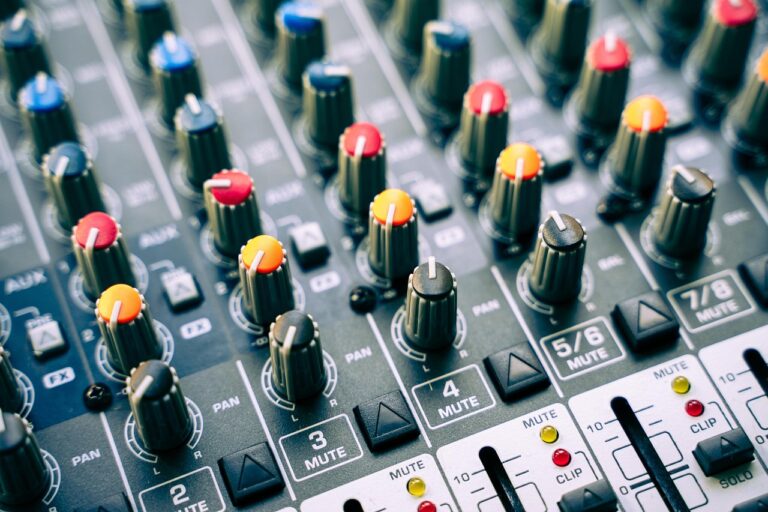
These are the essential tools of techno production. Iconic machines like the Roland TR-808, TR-909 drum machines, and the TB-303 bassline synthesizer are legends. Producers craft cold, industrial textures or warm, analog soundscapes. I’ve spent countless hours in my studio with these machines. They give techno its distinct electronic signature. Layered synth pads create atmosphere. Sharp, percussive sounds drive the rhythm forward. It’s all about precise sound design.
Minimalist Structure
Techno often embraces minimalism. Tracks typically build slowly. They feature evolving loops and subtle shifts. There are fewer distinct melodic changes than in other genres. The focus remains on the groove. I find this build-up incredibly effective. It creates tension and release. Small additions or subtractions of elements make a huge impact. This modular approach allows for endless DJ mixing possibilities. My sets rely on this structure.
Subgenres of Techno: A Diverse Landscape
Techno isn’t a monolith. Over the years, it has branched out into many exciting directions. I’ve played sets covering many of these styles.
Detroit Techno
This is the original blueprint. It’s characterized by a soulful, futuristic sound. You’ll often find rich melodies and a slightly warmer feel. It retains a strong sense of its black American roots. Artists like Carl Craig pushed its artistic boundaries. I personally love its intricate layers.
Minimal Techno
Stripped-down and sparse. Minimal techno focuses purely on rhythm and texture. It often features deep basslines and intricate percussive patterns. It’s about doing more with less. My experience is it creates a truly immersive headspace. Richie Hawtin is a master of this style.
Industrial Techno
This subgenre is harder and darker. It incorporates distorted sounds and aggressive textures. Imagine clanking metal and raw energy. It can be quite abrasive. I’ve seen it ignite the most intense dance floors. Dax J and Rebekah are great examples.
Acid Techno
Defined by the distinctive squelch of the Roland TB-303. Acid techno is often psychedelic and energetic. The “acid” sound modulates, creating trippy, hypnotic lines. I think of classic rave vibes when I play this. It’s instantly recognizable.
My Take: Why Techno Still Reigns Supreme
As a DJ, techno isn’t just music to me; it’s a culture. I’ve played it in warehouses and massive festivals. It offers a unique connection between the DJ and the dance floor. The repetitive nature isn’t boring; it’s meditative. It allows you to lose yourself in the moment. My research confirms its enduring global appeal. Techno transcends language and borders. It’s a primal rhythm that speaks to our souls. I truly believe it’s one of the most powerful forms of electronic music. Its constant evolution keeps it fresh. I’m always discovering new artists pushing its boundaries. That’s why techno will continue to drive dance floors for generations to come.