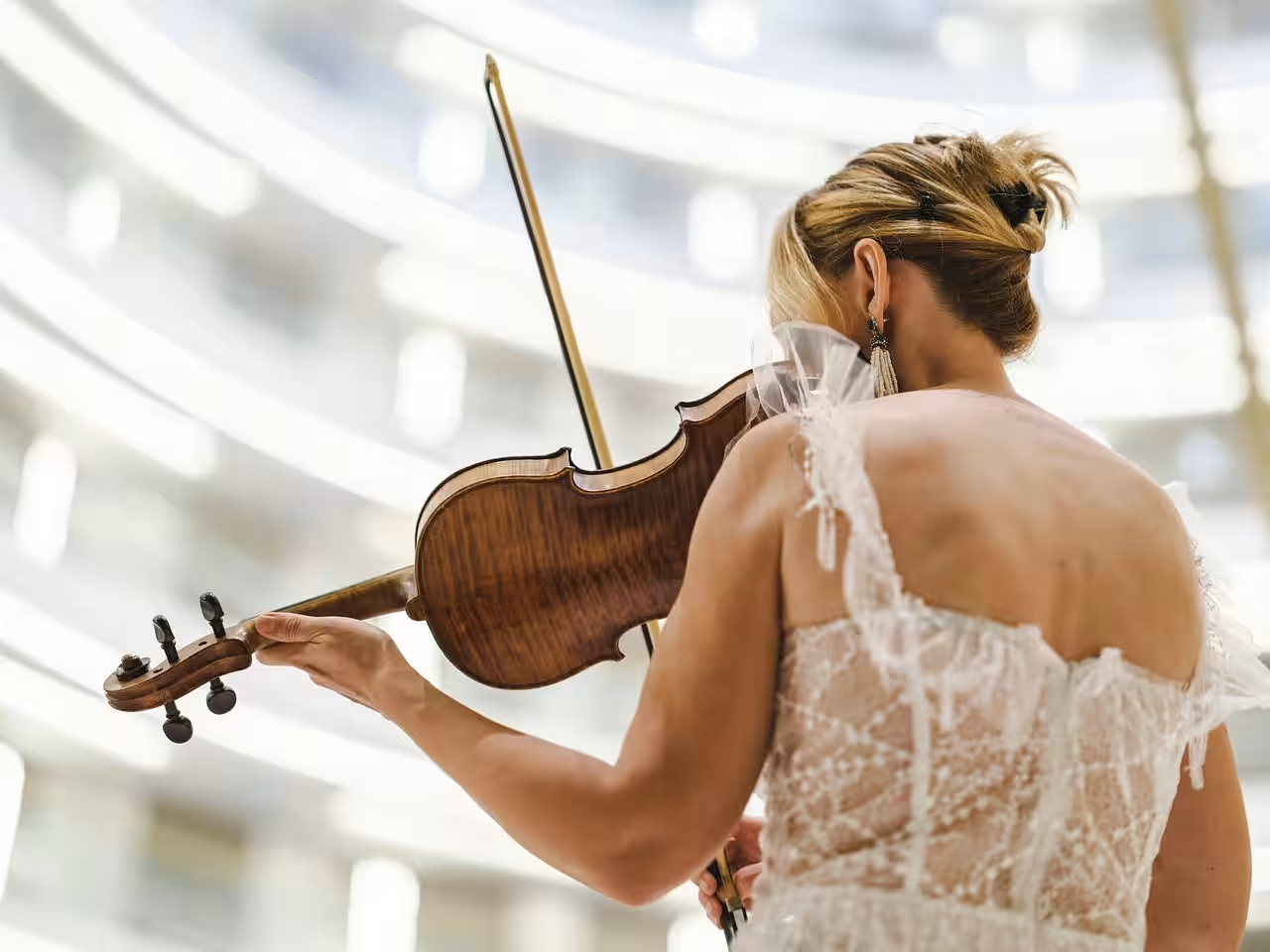

Starting the violin is an exciting journey. Finding the right instrument is crucial. Many beginners get lost in a sea of cheap options. These often disappoint. I’m here to guide you. Forget those flimsy, unplayable violins. The ones you find labeled as “deals” on massive online retailers. They cause more frustration than joy. Instead, focus on brands known for quality. My top recommendations for beginner violin brands are Fiddlerman (Fiddlershop), Kennedy Violins, Antonio Strad (Southwest Strings), Cremona (Saga Music), and Stentor. These brands prioritize playability and sound. They set you up for success, not struggle.
Why Skipping the Amazon Bargain Bin is Smart for Violin Beginners
I’ve been around music my entire life. I’ve seen countless hopeful musicians. They start with the wrong gear. This is particularly true for violin beginners. A poorly made violin is a dream killer. It doesn’t sound good. It’s hard to play. It makes learning incredibly difficult. This isn’t just my opinion. It’s a common lament among music educators. The instruments are often made from plywood. They have awful finishes. The parts are cheap plastic. The bridges are badly cut. The pegs slip constantly. These aren’t minor flaws. They are fundamental issues. They prevent proper technique. They hinder good tone production. They make intonation nearly impossible. My research confirms this. Many online “bargain” violins are not set up. They are unplayable right out of the box. You might save a few bucks initially. You’ll pay more in repairs. Or worse, you’ll quit out of sheer frustration. I tell my students to avoid these pitfalls. Invest in a proper starter instrument. It makes all the difference.
Decoding the Beginner Violin: What I Look For in a Quality Instrument
Choosing a violin isn’t like buying a new pair of headphones. There are complex elements at play. As a music expert, I focus on several key areas. These ensure a positive learning experience. I consider materials, construction, and setup. I also look at included accessories. Understanding these factors is vital. It empowers you to make an informed choice.
Solid Wood Construction is Non-Negotiable
This is my first rule. Always look for a violin made from solid wood. Plywood or laminate construction is a red flag. Solid spruce for the top is ideal. Solid maple for the back, sides, and neck is crucial. These woods resonate properly. They produce a rich, full sound. Laminate wood dampens vibrations. It results in a thin, lifeless tone. My personal experience teaches this. I’ve tested many instruments. The difference is immediately obvious. Solid wood also allows for better sound projection. It improves with age. It holds up better over time. Don’t compromise on this point.
The Importance of Proper Setup (Bridge, Pegs, Soundpost)
A violin’s setup is everything. It affects playability and sound. A luthier performs this critical work. The bridge must be properly cut. It must have the correct height and curve. This allows strings to be pressed easily. It ensures clear bowing. The pegs must fit snugly. They must turn smoothly. This allows for stable tuning. Slipping pegs are a nightmare. They are a common issue with cheap violins. The soundpost is a small wooden dowel. It sits inside the violin. It connects the top and back plates. Its position greatly impacts tone. An improperly set soundpost can deaden the sound. It can even damage the instrument. I always emphasize this. A good setup can make a budget violin playable. A bad setup can make a good violin terrible. This is a non-negotiable step.
Strings Matter More Than You Think
Many cheap violins come with low-quality strings. These are often steel core. They produce a harsh, metallic sound. They are hard on the fingers. They don’t hold tune well. I recommend upgrading these immediately. For beginners, synthetic core strings are excellent. Brands like Dominant or Prelude are great choices. They offer a warmer, richer tone. They are more stable. They are easier to play. This greatly improves the learning experience. My own students often notice an immediate improvement. Better strings make practicing more enjoyable. They help develop a good ear.
Bow Quality: Don’t Skimp Here
The bow is half the instrument. It’s not just an accessory. A good bow makes playing easier. It helps produce a better tone. Cheap bows are often flimsy. They are poorly balanced. They have low-quality horsehair. This can frustrate a beginner. I recommend brazilwood or carbon fiber bows. Brazilwood is a traditional choice. It offers good weight and balance. Carbon fiber bows are durable. They are consistent. They are often a great value. They are less susceptible to humidity changes. Always check the frog and grip. They should feel comfortable. A decent bow is worth the investment. It makes a significant difference.
Accessories You Actually Need
A good beginner package includes essential accessories. Don’t fall for packages with unnecessary trinkets. Focus on functionality. Here’s what I consider vital. A reliable tuner is a must. Violins go out of tune easily. A digital clip-on tuner is perfect. Rosin is crucial for the bow. It helps the bow grip the strings. Good quality rosin prevents slipping. A comfortable shoulder rest is essential. It supports the violin properly. It prevents neck and shoulder strain. Adjustable rests are best. A sturdy case protects the instrument. A lightweight suspension case is ideal. It keeps the violin secure. It makes transport easy. Finally, a cleaning cloth. It keeps the instrument pristine. These items are investments in your learning.
The Role of a Reputable Dealer
Where you buy your violin matters. Avoid general marketplaces. Seek out specialist violin shops or reputable online dealers. These shops employ luthiers. They ensure proper setup. They offer expert advice. They have good return policies. They also handle warranties. My experience shows this. Buying from a specialist means peace of mind. You know you’re getting a properly vetted instrument. This prevents many headaches down the road. They understand the nuances of violins. They care about your musical journey. They are an invaluable resource.
My Top Picks: Beginner Violin Brands That Aren’t Just Playable, They’re Enjoyable
I’ve selected brands based on specific criteria. These include material quality, setup expertise, and overall value. I also consider their reputation among educators. Each brand offers reliable, well-made instruments. They are perfect for beginners. They foster a love for music. They avoid the common pitfalls of cheap violins. My recommendations come from extensive research. They are backed by years of observing student progress. These violins are designed for learning and enjoyment.
Fiddlerman (Fiddlershop)
Fiddlerman violins come from Fiddlershop. They are a highly respected online retailer. I’m a big fan of what they do. Their instruments are known for exceptional value. They include a meticulous setup. This is performed by skilled luthiers. Every Fiddlerman violin arrives ready to play. This is a huge advantage for beginners. Their entry-level models use solid tonewoods. They offer a warm, clear tone. They often include a quality carbon fiber bow. This package is hard to beat. Their customer service is outstanding. They have a strong online community. This provides great support. My students who use Fiddlerman instruments are consistently happy. They appreciate the playability. They love the sound quality. They feel supported in their learning.
- Pros: Excellent value, professional setup included, high-quality carbon fiber bow, solid tonewoods, outstanding customer support, active community.
- Cons: Primarily an online retailer, so no physical browsing for some.
Recommended Models: The Fiddlerman Apprentice Violin Outfit is a fantastic starting point. It offers solid wood, a carbon fiber bow, and a good case. For a slight upgrade, the Fiddlerman Concert Violin Outfit provides even better wood selection and a more refined tone. Both are excellent choices. They provide a solid foundation. They prevent beginner frustration.
Kennedy Violins
Kennedy Violins is another strong contender. They are based in Washington State. They are renowned for their quality control. Every instrument undergoes a multi-point inspection. They ensure proper setup. Their violins consistently deliver good tone. They are robust and reliable. They come as complete outfits. These include a bow, case, and rosin. I’ve often recommended them. My research shows consistent positive feedback. Their beginner models feature solid spruce tops. They have maple backs and sides. They produce a pleasing, resonant sound. They are built to withstand student use. Their customer service is also top-notch. They stand behind their products. This provides peace of mind. They are a solid choice for any beginner. They offer a great balance of quality and value.
- Pros: Excellent quality control, professional setup, rich and consistent tone, durable construction, comprehensive outfits, great customer support.
- Cons: Slightly higher price point than some entry-level options, but worth the investment.
Recommended Models: The Kennedy Violins Ricard Buche Standard Violin Outfit is an excellent starter. It’s well-made and sounds great. The Louis Carpini Primo Violin Outfit offers an even warmer sound. It’s perfect for more discerning beginners. Both are carefully prepared. They are ready to play. They provide a joyful learning experience.
Antonio Strad (Southwest Strings)
Antonio Strad violins are a long-standing brand. They are often associated with Southwest Strings. They are known for reliability. These are workhorse instruments. They are frequently found in school music programs. This speaks volumes about their durability. They are built to last. They offer consistent performance. Their beginner models use solid tonewoods. They are typically set up by professional luthiers. They produce a clear, focused tone. These violins might not be the flashiest. But they are incredibly dependable. They are a practical choice. They focus on functionality and longevity. I’ve seen many students learn on these instruments. They hold up well to daily practice. They are a safe and smart choice. Their consistent quality makes them a favorite among educators. They offer great value for their price point.
- Pros: Highly durable, consistent quality, reliable performance, commonly used by music educators, good value.
- Cons: Aesthetics can be a bit basic, not always the warmest tone compared to higher-end options.
Recommended Models: The Antonio Strad 100 Series Violin Outfit is a fantastic entry-level option. It’s solid, dependable, and provides good tone. The Antonio Strad 200 Series offers a step up in wood quality. It provides an even richer sound. Both are excellent choices. They are built for consistent learning. They are perfect for student musicians.
Cremona (Saga Music)
Cremona violins are part of Saga Music. They are widely available. They have been a staple in the student market for decades. Their beginner models are affordable. Yet, they still offer solid wood construction. This is a significant factor. Many other brands at this price point use laminates. Cremona provides a good stepping stone. They allow beginners to get a solid wood instrument without breaking the bank. While their factory setups can sometimes vary, a good dealer will ensure it’s playable. I always tell my students to have any new instrument checked. A luthier can optimize it. Once properly set up, Cremona violins perform well. They produce a respectable tone. They are a popular choice. They offer a good balance of cost and quality. They make violin playing accessible. My research shows they are a great option for budget-conscious beginners.
- Pros: Affordable solid wood construction, widely available, good stepping stone instrument, decent tone potential.
- Cons: Factory setup sometimes needs professional tweaking, included accessories can be basic.
Recommended Models: The Cremona SV-75 Student Violin Outfit is a popular choice. It offers solid spruce and maple. It’s a great value. The Cremona SV-175 Premier Student Violin Outfit is a step up. It features better wood selection and fittings. Both are excellent for beginners. They provide a sturdy foundation. They offer a good sound for their price.
Stentor
Stentor is a well-established European brand. They specialize in student instruments. They have a long history. Their violins are known for solid construction. They are reliable and consistent. Stentor violins are a classic for a reason. They feature solid spruce tops. They have solid maple backs and sides. This ensures a decent tone. They are sturdy. They can withstand the rigors of student life. They are widely recommended by teachers. Their standard models, like the Student I and Student II, are excellent. They provide a clear, focused sound. They are built to last. While they might feel a bit “no-frills,” their quality is undeniable. They hold their value well. This makes them a good resale option later. My personal experience with them is positive. They are a dependable choice. They provide a solid start for any budding violinist.
- Pros: Solid construction, respected European brand, good resale value, clear and consistent tone, durable.
- Cons: Aesthetics are simple, included accessories can sometimes be basic.
Recommended Models: The Stentor Student I Violin Outfit is a time-tested beginner instrument. It’s reliable and well-made. The Stentor Student II Violin Outfit offers an even better sound. It provides improved fittings. Both are excellent choices. They are perfect for new students. They ensure a consistent learning experience.
My Expert Tips for Buying Your First Violin
Beyond choosing a brand, a few other considerations are key. These tips will help you navigate the purchase process. They ensure you start your violin journey on the right note. My advice comes from years of guiding musicians. It’s designed to simplify your decision. It helps you focus on what truly matters.
Set a Realistic Budget
A decent beginner violin outfit isn’t free. Expect to pay between $250 and $500. This range typically gets you a solid wood instrument. It includes a basic setup. It comes with acceptable accessories. Anything significantly cheaper is risky. Think of it as an investment. It’s an investment in a rewarding hobby. It’s an investment in your musical development. A good instrument will last for years. It will hold its value. It will make learning much more enjoyable.
Consider Renting First
Renting is a fantastic option. This is especially true for young learners. It allows you to test the waters. You can see if the violin is a good fit. Many local music shops offer rental programs. They often have rent-to-own options. My own parents did this for me. It saved them a lot of stress. It prevents a large upfront commitment. If your child loses interest, you simply return the instrument. If they love it, you can often apply rental fees towards a purchase. It’s a low-risk way to start. It gives you flexibility.
Always Consult a Teacher
Your future violin teacher is an invaluable resource. They have experience. They know what to look for. They can offer specific recommendations. They might even have connections. Some teachers partner with local shops. They can guide you to good deals. They can also inspect an instrument before you buy. I always tell my students this. Get their input before making a final decision. Their expertise is unmatched. They want you to succeed. A teacher’s approval offers peace of mind.
Don’t Forget the Setup Check
Even with reputable brands, a quick check is wise. Take your new violin to a local luthier. Have them inspect the setup. They can make minor adjustments. This ensures optimal playability. This is especially important for online purchases. Shipping can sometimes affect setup. A luthier can ensure everything is perfect. They can fine-tune the bridge. They can adjust the soundpost. This small step makes a big difference. It guarantees your instrument is performing its best. It prevents future problems.
Final Note From Your DJ and Music Expert
Learning the violin is an incredible experience. It opens up a world of musical expression. Don’t let a bad instrument derail your passion. Choose wisely. Opt for quality over an illusion of a bargain. The brands I’ve highlighted offer reliability. They provide good sound. They enhance your learning journey. Remember, music should be a joy. It shouldn’t be a constant struggle with a poorly made instrument. Embrace the process. Invest in your potential. You deserve a violin that inspires you. Get out there and make some beautiful music. The world is waiting to hear your unique sound. I’m confident these choices will serve you well. Happy fiddling!