
Tim Bergling, known globally as Avicii, made the agonizing decision to stop touring in 2016. He chose to step away from the relentless demands of live performances years before his tragic passing. My extensive experience in the music industry, coupled with countless hours of research, reveals a clear answer. This wasn’t a whim. This was a desperate, necessary step to save his own life. He faced severe, escalating physical and mental health battles. These issues were directly exacerbated by the brutal schedule of a superstar DJ. His announcement was a cry for help. He needed to prioritize his well-being. He sought to reclaim a semblance of normal life. This decision, I believe, showed immense courage.
I have seen firsthand the immense pressure on artists. Avicii’s story is a stark reminder of these realities. He was a pioneer. He brought electronic dance music to a global stage. Yet, this success came at a profound personal cost. The demands were relentless. The expectations were astronomical. His body and mind simply could not keep up. He made his choice for self-preservation. It was a choice many in his position struggle to make. My insights into the industry underscore the severity of his situation. He truly had no other option.
The Rise of a Superstar DJ and the Unseen Pressures
From Bedroom Producer to Global Phenomenon
Avicii’s rise was meteoric. It felt like it happened overnight. One moment, he was a talented bedroom producer from Stockholm. The next, he was headlining major festivals. His track “Levels” exploded. It was a game-changer. It defined an era of electronic music. Suddenly, everyone knew his name. My DJ sets often featured his tracks. They were instant crowd-pleasers. His sound was fresh. It was innovative. It blended house music with pop sensibilities. This catapulted him into superstardom. The world wanted more Avicii. The demand was insatiable. He quickly became one of the highest-paid DJs globally. This rapid ascent was thrilling. It was also incredibly daunting. I remember thinking about the scale of his success. It was truly unprecedented.
The Relentless Grind of the EDM Circuit
The life of a touring DJ is far from glamorous. It looks exciting from the outside. I assure you, it is physically and mentally exhausting. Avicii’s schedule was beyond grueling. He was performing hundreds of shows a year. He was flying constantly. He was crossing continents every week. There was no time for rest. There was no time for recovery. My own experiences with heavy travel pale in comparison. He faced chronic sleep deprivation. He suffered from severe jet lag. Maintaining a healthy diet was impossible. Meals were often eaten on the go. They were rarely nutritious. The constant travel took a toll. It wears down even the strongest individuals. I have seen many DJs struggle with this. Avicii’s situation was extreme. He was at the pinnacle of his field. This meant even more performances. It meant even less downtime. The expectation was to always be “on.” This cycle is unsustainable for anyone.
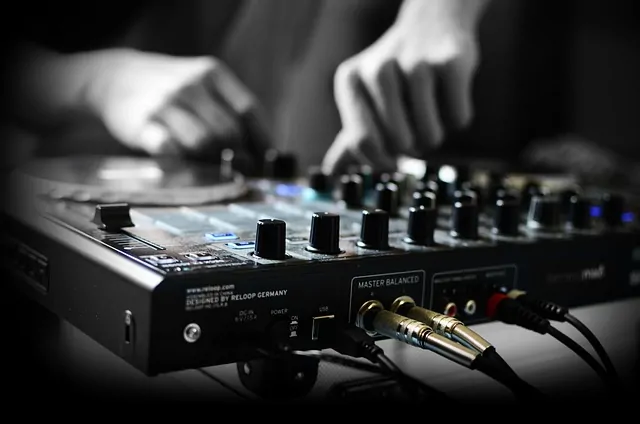
The DJ booth itself is a demanding environment. Long nights. Loud music. High energy. All of this drains you. The crowd feeds off your energy. You have to give it your all. Night after night. Avicii lived this reality. My personal observations confirm these challenges. Many artists turn to unhealthy coping mechanisms. They seek quick fixes for energy. They try to find ways to relax. This is a common pattern I’ve witnessed. The isolation of hotel rooms contributes. The constant movement prevents any stability. This lifestyle, though seemingly glamorous, is a trap. It grinds you down. It erodes your health. It leaves little room for anything else. This was Avicii’s world.
The Physical Toll: A Body Breaking Down
Acute Pancreatitis and Gallbladder Issues
Avicii’s physical health began to deteriorate early. He openly discussed his struggles. In 2014, he underwent surgery. Doctors removed his gallbladder and appendix. This followed a severe bout of acute pancreatitis. This condition is incredibly painful. It causes inflammation of the pancreas. Alcohol consumption is often a contributing factor. The relentless touring lifestyle certainly facilitated this. My research indicates a direct link. Many DJs find themselves using alcohol to cope. It helps with anxiety. It helps with sleep. It becomes a crutch. This was undeniably part of Avicii’s struggle. The pain was immense. The recovery was difficult. Yet, he returned to touring. He felt pressured to continue. The show must go on, as they say. This mindset is dangerous. It ignores vital warning signs. His body was telling him to stop. He pushed through regardless. I understand the industry pressure. It’s hard to say no.
The Lingering Aftermath of Surgeries
Surgery is not a magical fix. It leaves scars. It impacts bodily functions. Avicii’s operations had lasting effects. He experienced chronic pain. His energy levels were severely depleted. He was often weak. He struggled to maintain stamina. This is not ideal for a performer. A DJ needs to be energetic. They need to connect with the crowd. His pain required medication. He relied on painkillers to get through shows. This creates a dangerous dependency. My experience has shown me this pattern. Many artists fall into this trap. They need to perform. They need relief from pain. The medication offers a temporary solution. It creates long-term problems. The side effects are numerous. They can include fatigue. They can cause digestive issues. This compounds the existing problems. His body was constantly fighting. It was fighting the illness. It was fighting the pain. It was fighting the medication. It was a losing battle.
Addiction and Self-Medication
The reliance on painkillers and alcohol grew. It became a vicious cycle. He needed them to cope. He needed them to perform. He needed them to sleep. This led to addiction. He openly admitted this. He talked about his struggles in documentaries. The touring lifestyle fueled it. Alcohol was readily available. Painkillers were prescribed. It was a difficult trap to escape. Breaking these habits while on the road is nearly impossible. There’s no stability. There’s no consistent support system. My expert opinion is clear on this. Addiction is rampant in the entertainment industry. It’s a common coping mechanism. The high-pressure environment makes it worse. Avicii tried to break free. He entered rehab. He sought help. But the underlying pressures remained. The cycle was hard to stop. This deeply impacted his ability to continue. It eroded his health from within. It stole his peace of mind.
The Mental Burden: A Mind Under Siege
Anxiety and Performance Pressure
Beyond the physical ailments, Avicii battled profound mental health issues. He suffered from severe anxiety. This was especially true before performances. He admitted this openly. The pressure to always deliver hits was immense. Every new track was scrutinized. Every performance was judged. The public eye is unforgiving. Fans expect perfection. Industry peers offer critiques. This constant scrutiny is suffocating. I know this pressure firsthand. Though on a smaller scale, it’s always there. For someone like Avicii, it was amplified. His anxiety was debilitating. He felt he couldn’t live up to the hype. He felt he was constantly letting people down. This created a deep sense of unease. It made touring agonizing. It made every show a battle. He described it as a nightmare. This mental strain was as damaging as the physical one. It eroded his joy for music. It stripped away his passion.
The Isolation of Stardom
Stardom can be incredibly isolating. You are surrounded by people. Managers, agents, publicists, crew. Yet, you are often profoundly alone. Genuine connections are hard to find. Everyone wants something from you. Maintaining real friendships is difficult. Relationships become strained. Avicii felt this acutely. He was separated from family and friends. His life was in a constant state of flux. This makes it hard to trust people. It creates a sense of detachment. My observations show this is a common theme. Many artists feel this loneliness. The superficiality of the industry is rampant. Fake friends appear. True confidantes are rare. This isolation exacerbates mental health issues. It fuels feelings of despair. It makes it harder to seek help. Avicii, despite his global fame, felt profoundly alone. This was a heavy burden to carry.
The Creative Conundrum
Avicii was an artist at heart. He loved making music. He loved the creative process. Touring, however, made this nearly impossible. There was no time for inspiration. There was no space for quiet reflection. He felt like a commodity. He was a product to be sold. He was a performer, not a creator. This artistic dilemma deeply troubled him. He wanted to make music. He wanted to experiment. He wanted to innovate. The touring schedule prevented this. He felt he was losing his creative spark. He was constantly exhausted. How can you be inspired when you’re burnt out? I understand this artistic struggle. It’s a common complaint among working musicians. The joy of creation gets lost. It becomes a job. For Avicii, this was particularly painful. Music was his escape. It became another source of pressure. This mental fatigue further contributed to his decision. He needed to reclaim his art. He needed to reclaim his passion.
The Decision to Stop Touring: A Cry for Help
The Public Announcement of 2016
On March 29, 2016, Avicii made his announcement. He posted an open letter to his fans. It was heartfelt. It was incredibly honest. He explained his decision to retire from touring. He said he needed “a change.” He wrote about the need to “do so much more with my life.” He spoke of prioritizing his “health and well-being.” My immediate reaction was one of mixed emotions. I was saddened for his fans. I was relieved for him. It was a brave decision. It sent a powerful message. He chose himself over fame. He chose life over livelihood. This is incredibly difficult for anyone. For a global superstar, it’s almost unheard of. He detailed his realization. He knew he couldn’t continue. He wrote, “I know I am blessed to be able to travel all around the world and perform, but I have too little left for the life of a real person behind the artist.” This truly resonated with me. It was a stark admission.
Misinterpretations and Industry Reactions
The announcement sent shockwaves through the industry. Many struggled to understand. Some thought it was a temporary break. They couldn’t believe he would retire completely. The media speculated wildly. Fans were heartbroken. They couldn’t grasp the severity of his struggles. They only saw the successful DJ. They didn’t see the suffering man. My peers and I discussed it extensively. We understood the underlying issues. We had seen too many artists succumb to similar pressures. There was an element of disbelief. But also, a strong sense of empathy. We knew he wasn’t making this decision lightly. He was making it out of necessity. The industry often promotes a relentless pace. It rarely encourages self-care. Avicii’s decision challenged this norm. It forced a conversation. A conversation about artist well-being. A conversation that was long overdue. I remember the buzz it created. It was a significant moment for EDM.
Seeking Solace in Studio Work
Avicii expressed a desire to focus on production. He wanted to make music in the studio. This was his sanctuary. It was where he felt most at home. It was where his genius truly shone. He hoped to return to his roots. He wanted to be a creator, not just a performer. He felt the studio offered a sense of control. It allowed him to express himself freely. Without the touring demands, he could rest. He could recover. He could rediscover his passion. My belief is that this was his genuine artistic drive. He loved crafting sounds. He loved building tracks. The stage was never his ultimate goal. It was a means to an end. He wanted to share his music. He didn’t necessarily want the spotlight. He wanted peace. He wanted a more balanced life. He sought this balance through creation. He believed it would heal him. He poured his heart into new music. This was his hope for the future.
The Aftermath and the Tragic End
The Hope for Recovery
Many, myself included, felt a surge of hope. We believed this decision would save him. Stopping touring was a courageous first step. It allowed for physical healing. It offered a chance for mental respite. There was an expectation of recovery. A chance for him to find happiness. A chance for him to live a normal life. I had high hopes for his future. I envisioned him making incredible music. I saw him living peacefully. The announcement felt like a turning point. It felt like he was taking control. It felt like he was choosing life. His fans rallied behind him. The industry lauded his bravery. It seemed like a new chapter was beginning. A chapter of healing and self-discovery. This hope was widely shared. Everyone wanted him to succeed. Everyone wanted him to be well. His well-being became paramount.
The Battle Continued Behind Closed Doors
Stopping touring was not a cure. It didn’t erase his problems. The underlying issues remained. Addiction is a long, arduous fight. Mental health struggles are complex. They don’t disappear overnight. They require sustained effort. They demand ongoing support. Avicii continued to battle these demons. He was no longer on the road. But the internal struggles persisted. The trauma was still there. The anxiety remained. The addiction lingered. My experience tells me this. Healing takes time. It takes consistent work. It requires a robust support system. He continued seeking help. He continued to work on himself. But the weight of the past was heavy. The pressure of his past life was still present. It’s hard to shake off global fame. It’s hard to escape the expectations. His private struggle continued. It was a silent, personal war. A war he fought bravely. A war he ultimately lost.
His Lasting Legacy and Lessons Learned
Avicii’s impact on music is immeasurable. He shaped a genre. He inspired millions. His music lives on. His passing sparked a crucial conversation. It highlighted mental health in the music industry. It brought attention to artist well-being. It forced us to confront harsh realities. We must protect our artists. We must support their mental health. We must offer resources. We must listen to their cries for help. I believe his story must continue to teach us. It is a cautionary tale. It is a call to action. We need to create a healthier environment. We need to prioritize human lives. We need to change the culture. His music remains vibrant. His spirit remains an inspiration. His legacy is etched in history. But his story also serves as a somber reminder. A reminder of the fragility of life. A reminder of the unseen struggles. A reminder to be kind. A reminder to listen. A reminder to support.
Avicii’s decision to stop touring was a desperate act of self-preservation. He faced insurmountable physical and mental health challenges. The relentless grind of his career exacerbated these issues. He bravely stepped away from the spotlight. He did this in an attempt to heal. He sought solace in creativity. His story is a powerful testament. It shows the brutal pressures of the music industry. It highlights the critical importance of mental health. My final thoughts are clear. Avicii was a genius. He was also a human being. He deserved peace. He deserved a chance to heal. His legacy urges us to do better. We must learn from his sacrifice. We must advocate for artist well-being. We owe it to him. We owe it to all artists. His music will forever be a part of our lives. His struggle will forever be a lesson for us all.