
Understanding MIDI: Music’s Digital Language
What Is MIDI? Beyond the Sound
MIDI (Musical Instrument Digital Interface) is a core communication standard for electronic instruments, computers, and audio gear. It sends data describing musical events—notes, velocity, pitch bend—not sound itself. It’s how your music tech converses.
How MIDI Functions: Event Messages
MIDI transmits efficient event messages (“note on,” “note off”) interpreted by receiving devices. This lets one controller command multiple synths or software, enabling flexible, complex signal routing with minimal data.
Why MIDI Is Crucial for Modern Music
Creative Control in Production Studios
Producers find MIDI indispensable. Record keyboard performances into DAWs, then easily edit, quantize, or transpose notes. Apply the same performance to diverse virtual instruments or hardware, unlocking vast creative avenues and efficiency.
MIDI for Live Sets and DJ Performance
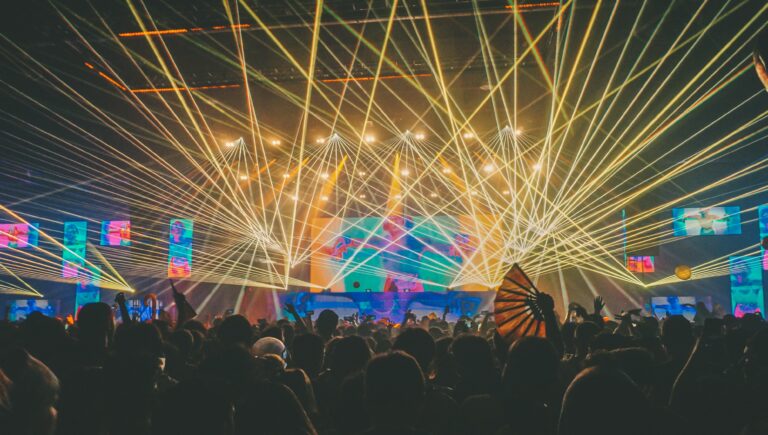
DJs and live artists use MIDI controllers to trigger samples, adjust effects, or control software (e.g., Ableton Live). Tactile control boosts interaction and expression, forging a direct link between performer and audience through sound.
MIDI’s Enduring Legacy in Audio Tech
Decades on, MIDI is vital. Its open standard guarantees universal compatibility. From studio production to dynamic live shows, MIDI seamlessly links digital and physical music, remaining the silent, powerful foundation of contemporary sound.