
What Is MIDI?
More Than Just Audio
MIDI, or Musical Instrument Digital Interface, is a technical standard that enables electronic musical instruments, computers, and other audio devices to connect and communicate. Unlike audio signals, MIDI data does not contain sound itself. Instead, it transmits instructions about musical events.
The Digital Language
Think of MIDI as a digital language. When you press a key on a MIDI keyboard, it sends messages like “note on,” “note off,” pitch, velocity (how hard you pressed), and aftertouch. This data can be recorded, edited, and sent to a synthesizer, drum machine, or a DAW to produce sound.
Why Does MIDI Matter for Producers?
Unlocking Creative Control
MIDI revolutionized music production by offering unparalleled control and flexibility. Producers can easily change instrument sounds, correct mistakes, alter tempos, and experiment with arrangements without re-recording performances. This non-destructive editing fosters immense creativity and workflow efficiency.
Seamless Studio Integration
In a modern studio, MIDI allows various hardware and software components to work in harmony. Synthesizers, drum machines, controllers, and Digital Audio Workstations (DAWs) communicate effortlessly. This standardization ensures compatibility, enabling complex setups for recording, sequencing, and mixing.
Live Performance Power
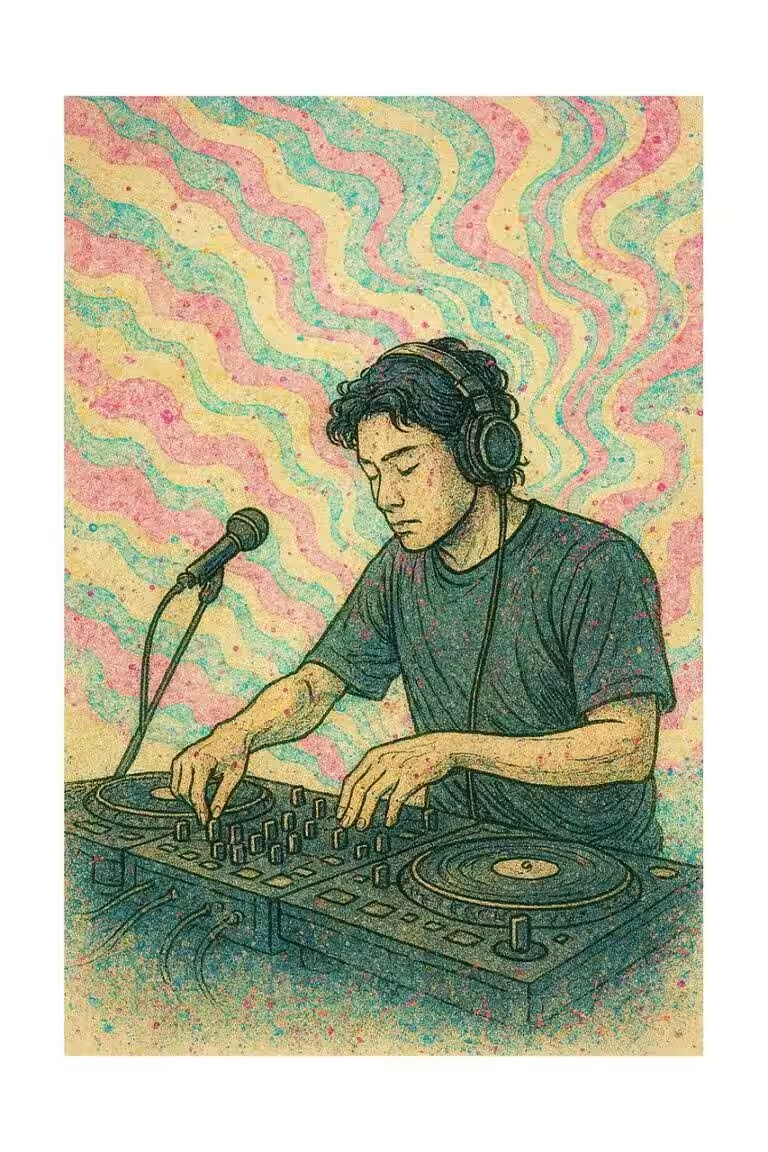
For live DJs and performers, MIDI controllers are essential. They allow real-time manipulation of sounds, effects, and lights, enabling dynamic and interactive performances. Synchronization across multiple devices via MIDI ensures tight, professional delivery on stage.