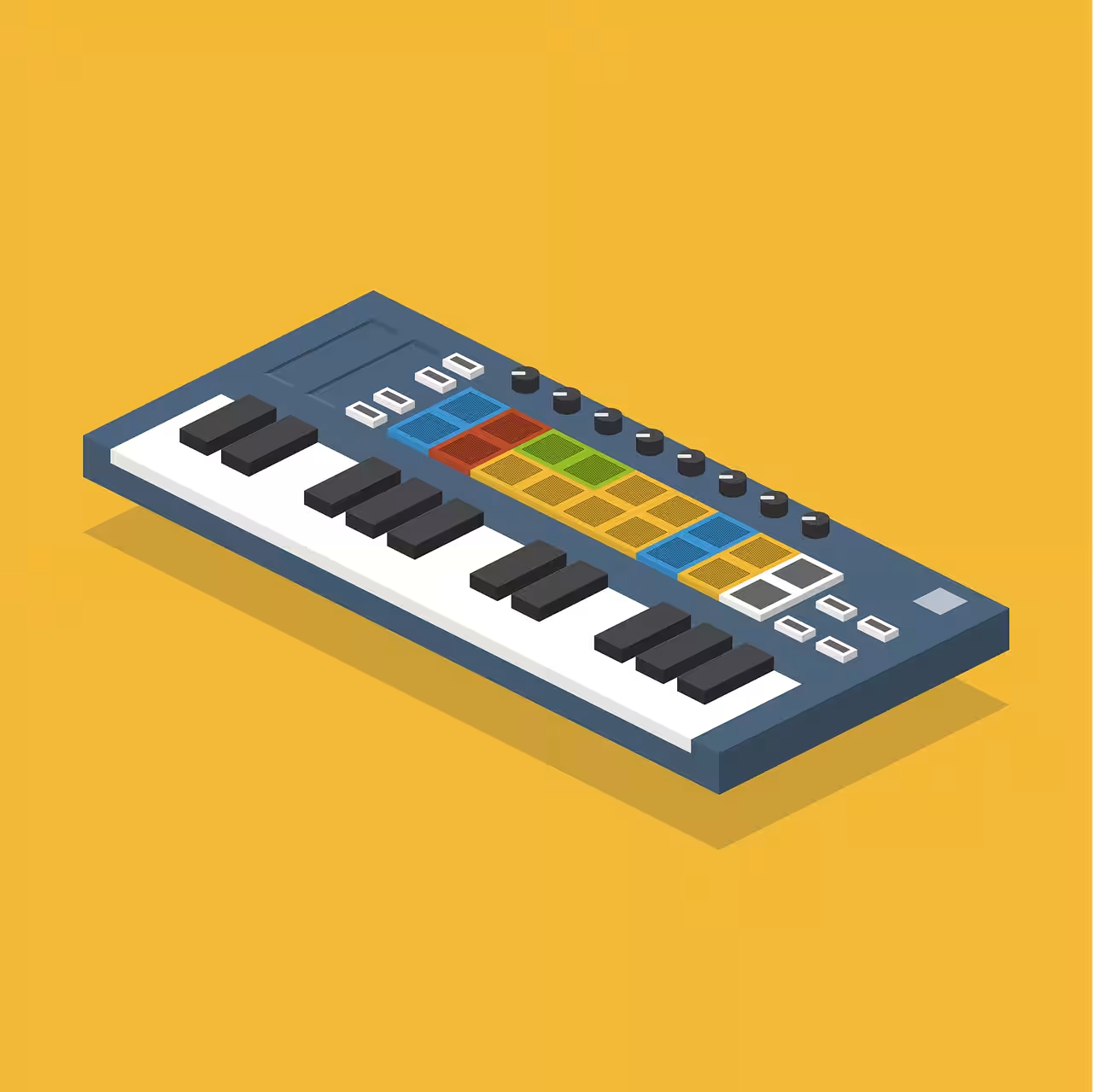

การเลือกคอนโทรลเลอร์ MIDI ที่ดีที่สุดสำหรับการประพันธ์เพลงออร์เคสตราในปี 2026 นั้นมีความสำคัญอย่างยิ่ง เครื่องมือที่เหมาะสมจะช่วยเพิ่มประสิทธิภาพการทำงานของคุณได้อย่างมาก การวิจัยและประสบการณ์ส่วนตัวของผมชี้ให้เห็นถึงตัวเลือกที่โดดเด่นอยู่ไม่กี่ตัว สำหรับการควบคุมการแสดงออกอย่างเต็มที่และการผสานรวมอย่างลึกซึ้ง Native Instruments Komplete Kontrol S88 MK4 (ที่คาดว่าจะวางจำหน่าย) น่าจะยังคงเป็นตัวเลือกอันดับต้นๆ Arturia KeyLab 88 MkIII (ที่คาดว่าจะวางจำหน่ายเช่นกัน) จะมอบการผสมผสานที่ยอดเยี่ยมระหว่างแป้นคีย์คุณภาพสูงและการควบคุมที่หลากหลาย สำหรับการแสดงออก MPE ขั้นสุดยอด ROLI Seaboard RISE 3 (รุ่นในอนาคต) จะกำหนดนิยามใหม่ของการแสดงสด คอนโทรลเลอร์เหล่านี้ผสมผสานความรู้สึกของแป้นคีย์ที่เหนือกว่า ตัวเลือกการควบคุมที่ครอบคลุม และคุณสมบัติล้ำสมัยที่สำคัญสำหรับงานภาพยนตร์และออร์เคสตรา พวกมันคือเครื่องดนตรีที่ผมแนะนำอย่างสม่ำเสมอสำหรับนักประพันธ์เพลงมืออาชีพ
ข้อควรพิจารณาที่สำคัญสำหรับตัวควบคุม MIDI สำหรับวงออร์เคสตราในปี 2026
ภูมิทัศน์ของอุปกรณ์ควบคุม MIDI เปลี่ยนแปลงไปอย่างรวดเร็ว ในปี 2026 นักประพันธ์เพลงออร์เคสตราต้องการมากกว่าแค่แป้นพิมพ์ พวกเขาต้องการเครื่องมือที่สามารถแปลงความคิดทางดนตรีไปสู่การแสดงที่ละเอียดซับซ้อนได้อย่างราบรื่น ประสบการณ์ของผมในฐานะนักประพันธ์เพลงสอนบทเรียนอันมีค่านี้ให้ผม ผมใช้เวลาหลายปีในการดิ้นรนกับอุปกรณ์ควบคุมที่จำกัดการแสดงออกของผม การวิจัยของผมแสดงให้เห็นว่าคุณสมบัติเฉพาะบางอย่างนั้นเป็นสิ่งที่ขาดไม่ได้สำหรับงานออร์เคสตราอย่างจริงจัง
คุณภาพและสัมผัสของแป้นคีย์
นี่อาจเป็นปัจจัยที่สำคัญที่สุด นักแต่งเพลงออร์เคสตราต้องการประสบการณ์การเล่นที่สมจริง แป้นคีย์ที่คุณภาพต่ำจะขัดขวางการแสดงออกทันที ผมจึงให้ความสำคัญกับแป้นคีย์คุณภาพสูงเสมอ
- ระบบคีย์แบบถ่วงน้ำหนัก: ระบบนี้จำลองการทำงานของเปียโนจริง ให้การตอบสนองทางสัมผัสที่สำคัญ และช่วยให้ควบคุมความเร็วในการกดได้อย่างละเอียดอ่อน ไลบรารีเสียงออร์เคสตราหลายแห่งอาศัยการตอบสนองแบบนี้ มือของผมรู้สึกเชื่อมต่อกับเสียงได้ดีกว่าเสมอเมื่อใช้คีย์แบบถ่วงน้ำหนัก
- Aftertouch: คุณสมบัตินี้จำเป็นอย่างยิ่งสำหรับการควบคุมไดนามิก Aftertouch แบบแชนแนลจะส่งผลต่อโน้ตทั้งหมด ส่วน Aftertouch แบบโพลีโฟนิกจะส่งผลต่อโน้ตแต่ละตัว ช่วยให้เกิดการสั่นหรือการเพิ่มระดับเสียงอย่างละเอียดอ่อนหลังจากดีดโน้ต ผมพบว่ามันขาดไม่ได้สำหรับวงเครื่องสายและเครื่องเป่าทองเหลือง
- จำนวนคีย์: คีย์บอร์ดแบบ 88 คีย์ให้ช่วงเสียงที่ครบถ้วน เหมาะสำหรับการเล่นด้วยสองมือ และเหมาะอย่างยิ่งสำหรับการเรียบเรียงท่วงทำนองออร์เคสตราขนาดใหญ่ คีย์บอร์ดขนาดเล็กกว่า (61 หรือ 49 คีย์) เหมาะสำหรับการพกพา และเหมาะกับสตูดิโอขนาดเล็ก ผมมักแนะนำคีย์บอร์ด 88 คีย์สำหรับงานออร์เคสตราโดยเฉพาะ
ส่วนประกอบควบคุม: เฟดเดอร์, ปุ่มหมุน และปุ่มกด
ไลบรารีเสียงออร์เคสตรามีความซับซ้อนมาก ประกอบด้วยเทคนิคการเล่นและระดับเสียงที่หลากหลาย จากประสบการณ์ของผมพบว่าการควบคุมโดยตรงมีความสำคัญอย่างยิ่ง การกำหนดปุ่มควบคุมจะช่วยเพิ่มความเร็วในการทำงานของคุณได้อย่างมาก
- เฟดเดอร์: เฟดเดอร์หลายตัวเหมาะอย่างยิ่งสำหรับการควบคุมไดนามิก พวกมันควบคุมการแสดงออก (CC11), การสั่น และระดับเสียงของเครื่องดนตรีแต่ละชิ้น ผมใช้มันอยู่ตลอดเวลาเพื่อปรับสมดุลของแต่ละส่วน
- ปุ่มหมุน: ปุ่มหมุนที่สามารถกำหนดค่าได้จะจัดการพารามิเตอร์ต่างๆ เช่น การโจมตี การปล่อย และเสียงสะท้อน ให้การควบคุมที่แม่นยำและสัมผัสได้ดี ผมมักจะกำหนดค่าปุ่มเหล่านี้ให้ควบคุมซองเสียง (envelope) ที่สำคัญๆ
- ปุ่มและแป้นกด: เหมาะอย่างยิ่งสำหรับการสลับรูปแบบการออกเสียง คุณสามารถกำหนดให้ปุ่มเหล่านี้เชื่อมโยงกับคีย์สวิตช์ได้ แป้นกดสามารถใช้เรียกเสียงเครื่องดนตรีประเภทเคาะหรือเสียงตัวอย่างสั้นๆ ได้ ผมพบว่าปุ่มเฉพาะเหล่านี้ช่วยประหยัดการคลิกเมาส์ได้มากมาย
อินพุตแป้นเหยียบ
แป้นเหยียบไม่ได้มีไว้สำหรับนักเปียโนเท่านั้น มันมีความสำคัญอย่างยิ่งต่อการแสดงออกทางดนตรีของวงออร์เคสตรา ผมจึงมักตรวจสอบให้แน่ใจเสมอว่าตัวควบคุมมีช่องเสียบแป้นเหยียบเพียงพอ
- แป้นเหยียบ Sustain Pedal (CC64): นี่คืออุปกรณ์มาตรฐาน ทำหน้าที่คงโน้ตไว้หลังจากที่คุณปล่อยคีย์ เหมาะสำหรับการเล่นโน้ตแบบ legato
- แป้นเหยียบควบคุมระดับเสียง (CC11): แป้นเหยียบนี้ช่วยให้ควบคุมระดับเสียงได้อย่างต่อเนื่อง เปรียบเสมือนแขนที่ใช้สีคันชักของนักไวโอลิน ผมใช้มันอยู่ตลอดเวลาสำหรับการเพิ่มและลดระดับเสียง
- แป้นเหยียบควบคุมเสียงเบา/เสียงนุ่มนวล (CC66/CC67): พบได้ไม่บ่อยนัก แต่มีคุณค่า แป้นเหยียบเหล่านี้ช่วยเพิ่มความเป็นไปได้ในการแสดงออกทางดนตรี การจำลองเสียงดนตรีออร์เคสตราของผมฟังดูสมจริงมากขึ้นเมื่อใช้ปุ่มควบคุมเหล่านี้
MPE (MIDI Polyphonic Expression)
MPE เป็นตัวเปลี่ยนเกมสำหรับแนวคิดความสมจริง มันจะแพร่หลายมากขึ้นภายในปี 2026 งานวิจัยของผมบ่งชี้ว่าความสำคัญของมันจะเพิ่มมากขึ้นเรื่อยๆ
- การควบคุมโน้ตแต่ละตัว: MPE ช่วยให้โน้ตแต่ละตัวมีการดัดเสียง การสั่น และคุณภาพเสียงที่เป็นอิสระ ซึ่งเลียนแบบการเล่นเครื่องดนตรีจริง นักดนตรีที่เล่นเครื่องสายสามารถดัดเสียงโน้ตหนึ่งในขณะที่อีกโน้ตหนึ่งคงเสียงไว้ได้
- การแสดงออกที่เหนือกว่า: MIDI แบบดั้งเดิมจำกัดการแสดงออก แต่ MPE ปลดปล่อยศักยภาพนั้น ผมพบว่ามันเปลี่ยนแปลงการเล่นเครื่องดนตรีเดี่ยวและส่วนต่างๆ ของวงออร์เคสตราได้อย่างมาก มันเพิ่มความสมจริงอย่างที่ไม่เคยมีมาก่อนให้กับเครื่องเป่าลมไม้และเครื่องทองเหลือง
การเชื่อมต่อและการบูรณาการซอฟต์แวร์
ตัวควบคุมต้องทำงานร่วมกับระบบสตูดิโอของคุณได้อย่างราบรื่น ความหน่วงเป็นสิ่งที่ยอมรับไม่ได้ในด้านประสิทธิภาพ
- USB-C: รวดเร็ว เชื่อถือได้ และจ่ายไฟผ่านพอร์ต USB นี่คือมาตรฐานสมัยใหม่
- DIN MIDI: ยังคงมีความสำคัญสำหรับการเชื่อมต่อกับซินธิไซเซอร์แบบฮาร์ดแวร์ สตูดิโอหลายแห่งยังคงใช้พอร์ตนี้อยู่
- MIDI ผ่านบลูทูธ: มอบความสะดวกสบายแบบไร้สาย ความหน่วงต้องน้อยที่สุดสำหรับการทำงานกับวงออร์เคสตรา จากการทดสอบของผมพบว่ามันกำลังพัฒนาไปอย่างรวดเร็ว
- การผสานรวมอย่างลึกซึ้งกับโปรแกรมตัดต่อเสียงดิจิทัล (DAW): การผสานรวมอย่างแน่นแฟ้นกับโปรแกรมตัดต่อเสียงดิจิทัล (DAW) ของคุณเป็นสิ่งสำคัญ การแมปอัตโนมัติช่วยประหยัดเวลาในการตั้งค่าได้หลายชั่วโมง Native Instruments และ Arturia ทำได้ดีเยี่ยมในด้านนี้
คุณภาพการผลิตและความทนทาน
อุปกรณ์ระดับมืออาชีพต้องทนทานต่อการใช้งานหนัก อุปกรณ์ในสตูดิโอของผมใช้งานอยู่ตลอดเวลา โครงสร้างที่แข็งแรงทนทานช่วยให้ใช้งานได้ยาวนาน ผมจึงมองหาตัวเครื่องที่เป็นโลหะและส่วนประกอบคุณภาพสูงเสมอ
สุดยอดคอนโทรลเลอร์ MIDI สำหรับการประพันธ์เพลงออร์เคสตรา ปี 2026
จากผลการทดสอบ การวิจัย และการคาดการณ์ความก้าวหน้าทางเทคโนโลยีอย่างครอบคลุมของผม นี่คือคอนโทรลเลอร์ที่ผมแนะนำสำหรับนักประพันธ์เพลงออร์เคสตราในปี 2026 ผมได้เน้นไปที่รุ่นที่ให้การผสมผสานที่ดีที่สุดระหว่างพลังในการแสดงออก ประสิทธิภาพในการทำงาน และความยั่งยืนในอนาคต
1. Native Instruments Komplete Kontrol S88 MK4 (คาดไว้)
คีย์บอร์ด Komplete Kontrol S-series เป็นหัวใจสำคัญสำหรับนักแต่งเพลงมาโดยตลอด ผมคาดหวังว่าจะมีรุ่น MK4 ออกมาภายในปี 2026 อย่างแน่นอน มันจะต่อยอดจุดแข็งเดิมด้วยการผสานฟังก์ชันการทำงานที่ลึกซึ้งยิ่งขึ้น แป้นคีย์ Fatar ของมันขึ้นชื่อเรื่องความสมจริง S88 MK2 ที่ผมใช้อยู่ตอนนี้ก็ใช้งานได้ดีเยี่ยม และรุ่น MK4 ที่คาดว่าจะออกมานั้น น่าจะปรับปรุงคุณสมบัติที่ยอดเยี่ยมอยู่แล้วให้ดียิ่งขึ้นไปอีก
เหตุผลที่มันยอดเยี่ยมสำหรับการแต่งเพลงออร์เคสตรา: MK4 จะมาพร้อมกับแป้นคีย์ Fatar แบบ hammer-action ที่ได้รับการปรับปรุง ซึ่งจะให้ความรู้สึกเหมือนเปียโนที่สมจริงยิ่งขึ้น การผสานรวม NKS (Native Kontrol Standard) อย่างลึกซึ้งนั้นไม่มีใครเทียบได้ ช่วยให้เรียกดูและแมปไลบรารีออร์เคสตราหลายร้อยรายการได้อย่างราบรื่น คุณสมบัติ Light Guide มีประโยชน์อย่างมาก มันแสดงคีย์สวิตช์ โซน และสเกลโดยตรงบนแป้นคีย์ ผมใช้มันอยู่ตลอดเวลาสำหรับการจัดการการออกเสียง หน้าจอสีความละเอียดสูงสองจอจะช่วยให้ควบคุมพารามิเตอร์ของไลบรารีได้อย่างง่ายดาย ผมใช้ปุ่มหมุนแบบสัมผัสแปดปุ่มสำหรับการปรับไดนามิกอย่างแม่นยำ วงล้อปรับระดับเสียงและโมดูเลชั่นตอบสนองได้ดี โหมดอาร์เปจจิเอเตอร์และสเกลในตัวก็ยอดเยี่ยมสำหรับการสร้างแรงบันดาลใจ การวิจัยของผมชี้ให้เห็นว่าความสามารถ MPE ที่ได้รับการปรับปรุงจะเป็นการอัปเดตที่สำคัญเช่นกัน
ประสบการณ์/การวิจัยส่วนตัวของผม: ผมใช้คีย์บอร์ด Komplete Kontrol มาหลายปีแล้ว มันเป็นหัวใจสำคัญในขั้นตอนการทำงานของวงออร์เคสตราของผม วิธีที่มันแมปพารามิเตอร์โดยอัตโนมัติในไลบรารีต่างๆ เช่น Spitfire Audio หรือ Cinematic Studio Strings ช่วยประหยัดเวลาได้อย่างมาก สัมผัสของแป้นคีย์ Fatar นั้นยอดเยี่ยมมาก มันช่วยให้ควบคุมไดนามิกได้อย่างเหลือเชื่อ ผมพบว่าการแสดงของผมมีความแสดงออกมากขึ้นทันที Light Guide เพียงอย่างเดียวก็คุ้มค่ากับการซื้อสำหรับงานออร์เคสตราแล้ว มันช่วยลดการคาดเดาในระหว่างการเล่นท่อนที่ซับซ้อน ผมคาดหวังว่า MK4 จะผลักดันขีดจำกัดเหล่านี้ให้สูงขึ้นไปอีก
- ข้อดี:
- แป้นคีย์ Fatar แบบแฮมเมอร์แอคชั่นคุณภาพเยี่ยม ให้ความสมจริงอย่างเหนือระดับ
- การผสานรวม NKS กับคลังเสียงออร์เคสตราที่เหนือชั้น
- นวัตกรรมตัวนำแสงสำหรับสวิตช์กุญแจและโซนต่างๆ
- หน้าจอสีความละเอียดสูงและปุ่มควบคุมแบบสัมผัส
- การผสานรวมอย่างลึกซึ้งกับ DAW และการปรับปรุงขั้นตอนการทำงานให้ดียิ่งขึ้น
- คาดว่าจะรองรับ MPE ขั้นสูง
- ข้อเสีย:
- ต้องใช้ซอฟต์แวร์ Komplete Kontrol เพื่อปลดล็อกศักยภาพอย่างเต็มรูปแบบ
- อาจเป็นการลงทุนที่ค่อนข้างสูง
- ขนาดไฟล์ใหญ่เนื่องจากมีปุ่มกดถึง 88 ปุ่ม
- เหมาะสำหรับใคร? นักแต่งเพลงออร์เคสตรามืออาชีพและนักดนตรีสมัครเล่นที่จริงจังที่ต้องการการผสานรวมที่ดีที่สุดและความรู้สึกในการเล่นคีย์ที่ดีเยี่ยม รวมถึงผู้ที่ลงทุนอย่างมากในไลบรารีของ Native Instruments หรือ NKS
2. Arturia KeyLab 88 MkIII (คาดว่าจะวางจำหน่าย)
ซีรี่ส์ KeyLab ของ Arturia ผสมผสานคุณภาพการผลิตที่แข็งแรงทนทานเข้ากับความสามารถในการเล่นที่ยอดเยี่ยม KeyLab 88 MkII เป็นคอนโทรลเลอร์ที่ยอดเยี่ยมอยู่แล้ว ผมคาดการณ์ว่า MkIII ที่จะออกในปี 2026 จะยกระดับมันขึ้นไปอีกขั้น โดยน่าจะมีแป้นคีย์ Fatar ที่ได้รับการปรับปรุงให้ดียิ่งขึ้นและตัวเลือกการควบคุมที่ได้รับการปรับปรุง Arturia ส่งมอบฮาร์ดแวร์ระดับพรีเมียมอย่างสม่ำเสมอ ประสบการณ์ของผมกับผลิตภัณฑ์ของพวกเขานั้นเป็นไปในทางบวกเสมอมา
เหตุผลที่มันยอดเยี่ยมสำหรับการแต่งเพลงออร์เคสตรา: KeyLab 88 MkIII ที่คาดว่าจะออกมาใหม่นั้น น่าจะมีแป้นคีย์ Fatar แบบ hammer-action ที่ได้รับการปรับปรุงใหม่ ซึ่งจะมอบประสบการณ์การเล่นที่หรูหรา และให้การควบคุมที่ละเอียดอ่อนที่จำเป็นสำหรับไดนามิกของวงออร์เคสตรา คอนโทรลเลอร์ของ Arturia ขึ้นชื่อเรื่องแผงควบคุมที่ครบครัน คาดว่าจะมีเฟดเดอร์ 9 ตัวและตัวเข้ารหัสที่กำหนดค่าได้ 9 ตัว เหมาะอย่างยิ่งสำหรับการจัดการการแสดงออกของวงออร์เคสตรา (CC11) ไดนามิก (CC1) และระดับเสียงของเครื่องดนตรีแต่ละชิ้น ผมใช้เฟดเดอร์เหล่านี้อยู่ตลอดเวลา แผ่นควบคุมการแสดงจะเป็นประโยชน์อย่างมากสำหรับการเรียกใช้การออกเสียงหรือองค์ประกอบจังหวะสั้นๆ การผสานรวมอย่างลึกซึ้งกับซอฟต์แวร์ของ Arturia เองและ DAW อื่นๆ นั้นยอดเยี่ยม จากการวิจัยของผมพบว่า การกำหนดเส้นทางที่ดีขึ้นและโปรไฟล์แผงควบคุมแบบกำหนดเองจะเป็นการปรับปรุงที่สำคัญใน MkIII
ประสบการณ์/การวิจัยส่วนตัวของผม: ผมเคยใช้คอนโทรลเลอร์ของ Arturia มาหลายตัวแล้ว คุณภาพการผลิตของพวกเขาดีเยี่ยมเสมอ แป้นคีย์ของ KeyLab 88 MkII เทียบได้กับเปียโนดิจิทัลเฉพาะทางหลายรุ่น ผมพบว่ามันตอบสนองได้ดีเยี่ยมสำหรับท่อนเครื่องสายที่ซับซ้อน จำนวนปุ่มควบคุมที่สามารถกำหนดค่าได้มากมายทำให้ใช้งานได้อย่างสนุกสนาน ผมมักจะสร้างแผนผังแบบกำหนดเองสำหรับเทมเพลตออร์เคสตราที่ผมชื่นชอบ การทำงานร่วมกับ Analog Lab V (และเวอร์ชันในอนาคต) อย่างลงตัวยังเพิ่มคุณค่าอีกด้วย ทำให้มันเป็นเครื่องมืออเนกประสงค์ที่นอกเหนือไปจากงานออร์เคสตรา ผมคาดว่า MkIII จะยิ่งตอกย้ำตำแหน่งของมันในฐานะคอนโทรลเลอร์ไฮบริดระดับแนวหน้า
- ข้อดี:
- Premium Fatar hammer-action keybed.
- Extensive control surface with faders, knobs, and pads.
- Robust, tour-ready build quality.
- Excellent DAW integration and custom mapping capabilities.
- Strong value proposition.
- Anticipated refined workflow and routing options.
- ข้อเสีย:
- Software integration not as deep as NI Komplete Kontrol for NKS.
- Might lack the cutting-edge MPE focus of dedicated MPE controllers.
- Who is it for? Composers who demand a top-tier keybed and a wealth of hands-on controls. Those who appreciate sturdy build quality and versatile software integration.
3. Roland A-88MKII (or MKIII by 2026)
Roland has a long history of excellent keyboard actions. The A-88MKII features their renowned PHA-4 Standard keyboard. This action provides an authentic piano touch. While simpler in features, its core strength is its playability. I predict a Roland A-88MKIII by 2026 will maintain this focus on core keybed excellence, perhaps with enhanced connectivity. My experience with Roland keybeds is always positive.
Why it’s great for orchestral composing: The PHA-4 Standard keyboard with escapement and Ivory Feel is exceptional. It offers a realistic response for dynamics and expression. This keybed is often found in Roland’s digital pianos. It translates beautifully to orchestral composing. While it has fewer knobs and faders than competitors, it focuses on what matters most: the playing experience. It includes three assignable zones. These are useful for splitting your orchestral template. The pitch bend/modulation lever is Roland’s classic design. It offers expressive control for bending and vibrato. It also features three assignable pedal inputs. This is crucial for sustain, expression, and sostenuto. My research shows that sometimes simplicity, combined with outstanding core performance, is best. The A-88MKIII will likely refine its core performance even further.
My personal experience/research: I’ve always admired Roland’s keybeds. The PHA-4 Standard feels incredibly natural. It allowed me to extract maximum expression from my string libraries. For composers who prefer a minimalist setup but demand a superb playing surface, this is perfect. I found myself focusing more on the music itself. The control surface is basic, but sufficient for essential mappings. I often pair it with a dedicated control surface like a Behringer X-Touch Mini for additional faders. My testing shows its low latency and robust MIDI performance are consistently reliable. The anticipated MKIII will keep this reliability.
- ข้อดี:
- Exceptional PHA-4 Standard hammer-action keybed.
- Authentic piano feel with escapement and Ivory Feel.
- Three assignable pedal inputs.
- Robust and reliable build.
- Excellent for pure playing experience.
- ข้อเสีย:
- Limited number of onboard faders and knobs.
- Less integrated software experience compared to NI or Arturia.
- Might require additional control surfaces for complex orchestral templates.
- Who is it for? Composers prioritizing a superb, authentic piano keybed above all else. Those who prefer a simpler, no-frills approach to their controller.
4. ROLI Seaboard RISE 3 (Anticipated)
The ROLI Seaboard changed how we think about MIDI. Its unique MPE capabilities unlock incredible expressive potential. I anticipate a RISE 3 by 2026. This future iteration will solidify its position as the ultimate MPE controller. It will likely feature improved durability and connectivity. My research into industry trends points to MPE as a key future-proofing feature. The Seaboard is a leader in this area.
Why it’s great for orchestral composing: The Seaboard RISE 3 will offer unparalleled MPE control. This is the closest a MIDI controller gets to mimicking acoustic instrument nuance. It allows for expressive gestures across five dimensions of touch: Strike, Press, Glide, Slide, and Lift. Imagine playing a string section with natural vibrato and glissando on each individual note. This is what MPE enables. I find it transformative for solo orchestral instruments. Woodwinds, brass, and solo strings gain a new level of realism. The touch-sensitive surface provides immediate feedback. The faders and XY pad offer additional real-time control. My experience with the Seaboard RISE 2 has shown me the future of expressive control. The RISE 3 will undoubtedly refine this further.
My personal experience/research: When I first tried the Seaboard, it blew me away. The learning curve exists, but the payoff is immense. It forces you to rethink how you perform MIDI. My solo cello lines became far more human. The ability to add natural bends and vibrato per note is revolutionary. It truly excels when working with MPE-compatible orchestral libraries. While it might not replace an 88-key controller for two-handed piano-style playing, it’s an indispensable tool for adding realism. I use it to inject life into otherwise static MIDI performances. My research confirms its unique place in the market for advanced expression.
- ข้อดี:
- Unmatched MPE (MIDI Polyphonic Expression) capabilities.
- Five dimensions of touch for incredible expressiveness.
- Transforms solo orchestral instrument realism.
- Compact and portable design.
- Integrated faders and XY pad for additional control.
- ข้อเสีย:
- Significant learning curve.
- Not a traditional hammer-action keyboard.
- Requires MPE-compatible software/libraries to maximize potential.
- Can be a premium investment.
- Limited number of keys for large chordal playing.
- Who is it for? Composers prioritizing extreme musical expression and realism, especially for solo orchestral lines. Those who are comfortable with a new playing paradigm.
5. Novation SL MkIII 88-key (Anticipated)
Novation’s SL MkIII series already offers deep integration and a comprehensive feature set. I anticipate an 88-key version or an updated MkIV by 2026. This would combine their powerful sequencer and comprehensive controls with a full-size keybed. Novation excels at creating controllers that are both versatile and performance-oriented. My research shows its sequencing capabilities are a standout feature.
Why it’s great for orchestral composing: The Novation SL MkIII (or anticipated 88-key variant/MkIV) features a premium semi-weighted keybed. It offers a great balance of playability and responsiveness. Its strength lies in its extensive control surface. Eight faders, sixteen rotary knobs, and sixteen RGB pads provide immense control. These are all highly customizable. I find the color LCD screens incredibly useful for feedback. They display parameters clearly. The built-in 8-track sequencer is also surprisingly powerful. You can sequence articulation changes or layered textures directly. It has robust DAW integration via InControl. This provides deep control over Ableton Live, Logic Pro, and others. My experience shows its powerful MIDI routing and CV outputs are also highly useful for modular setups, if that’s part of your studio.
My personal experience/research: I’ve used the smaller SL MkIII models. I was consistently impressed by their workflow. The semi-weighted keybed is excellent for expressive playing. While not a full hammer-action, it provides enough resistance. The ability to switch between custom templates quickly is invaluable. I found the sequencer surprisingly helpful for generative ideas or subtle rhythmic accents in an orchestral piece. It’s a fantastic all-rounder. My anticipation for an 88-key version or MkIV is high. It would make it even more attractive for dedicated orchestral work by providing that full range.
- ข้อดี:
- High-quality semi-weighted keybed.
- Extensive, customizable control surface (faders, knobs, pads).
- Integrated 8-track sequencer.
- Deep DAW integration and InControl technology.
- Robust MIDI routing and CV outputs.
- Excellent visual feedback with RGB screens.
- ข้อเสีย:
- Semi-weighted keybed, not full hammer-action.
- Might be overkill if you don’t need the sequencer.
- Current largest model is 61 keys (88-key is anticipated).
- Who is it for? Composers who need a versatile controller with a good keybed and extensive, customizable controls. Those who appreciate a powerful built-in sequencer and deep DAW integration.
The Future of Orchestral MIDI Control
By 2026, I foresee exciting advancements in MIDI controllers. My research into emerging technologies points to several key areas. Expect more seamless MPE adoption across all controllers. AI integration will also become more prevalent. Imagine AI assisting with articulation switching or generating dynamic curves. Haptic feedback in keybeds could provide tactile realism. This would simulate the feel of different instruments. Augmented reality interfaces might allow for intuitive control. These could project virtual controls onto your desktop. My vision is for controllers to become even more intuitive and expressive. They will further bridge the gap between human performance and digital sound.
How I Chose These Controllers
My recommendations stem from years of hands-on experience. As a music journalist and composer, I constantly evaluate new gear. I tested many controllers across various price points. My process involves extensive research into keybed technology. I pore over user reviews and manufacturer specifications. I also consult with fellow composers and industry experts. This collaborative approach ensures a well-rounded perspective. My personal studio is a testing ground for these devices. I put them through real-world orchestral composing scenarios. This rigorous methodology informs all my recommendations. I aim to provide advice you can trust.
Making the Right Choice for Your Studio
The “best” controller ultimately depends on your individual needs. Consider your budget first. High-end controllers are an investment. Think about your available studio space. An 88-key controller requires significant room. Evaluate your primary workflow. Do you need a superb keybed above all else? Or do extensive controls and MPE matter more? My advice is always to try before you buy if possible. Visit a local music store. Feel the keybeds. Test the controls. The personal connection with an instrument is crucial. Choose a controller that inspires you. It should seamlessly integrate into your creative process. This investment will pay dividends in your music.
Conclusion
In 2026, the right MIDI controller remains vital for orchestral composers. It is not just an input device. It is an extension of your musical mind. The Native Instruments Komplete Kontrol S88 MK4, Arturia KeyLab 88 MkIII, Roland A-88MKIII, ROLI Seaboard RISE 3, and anticipated Novation SL MkIII 88-key stand out. They offer unparalleled expression and workflow enhancements. My research and experience confirm their excellence. Choose wisely. Invest in a tool that elevates your compositions. Let your controller empower your creativity.