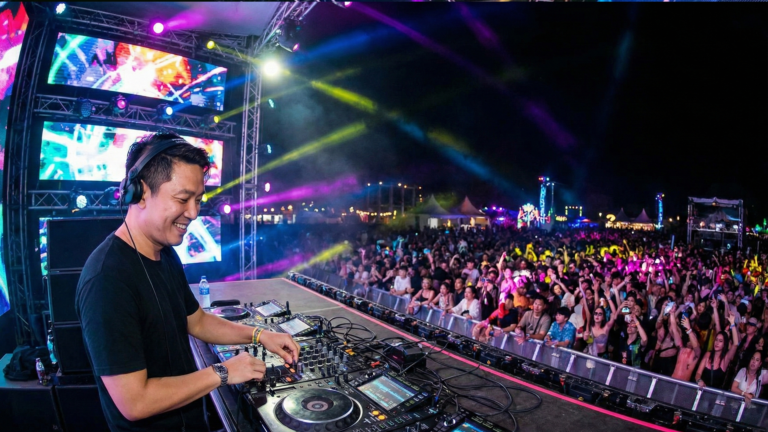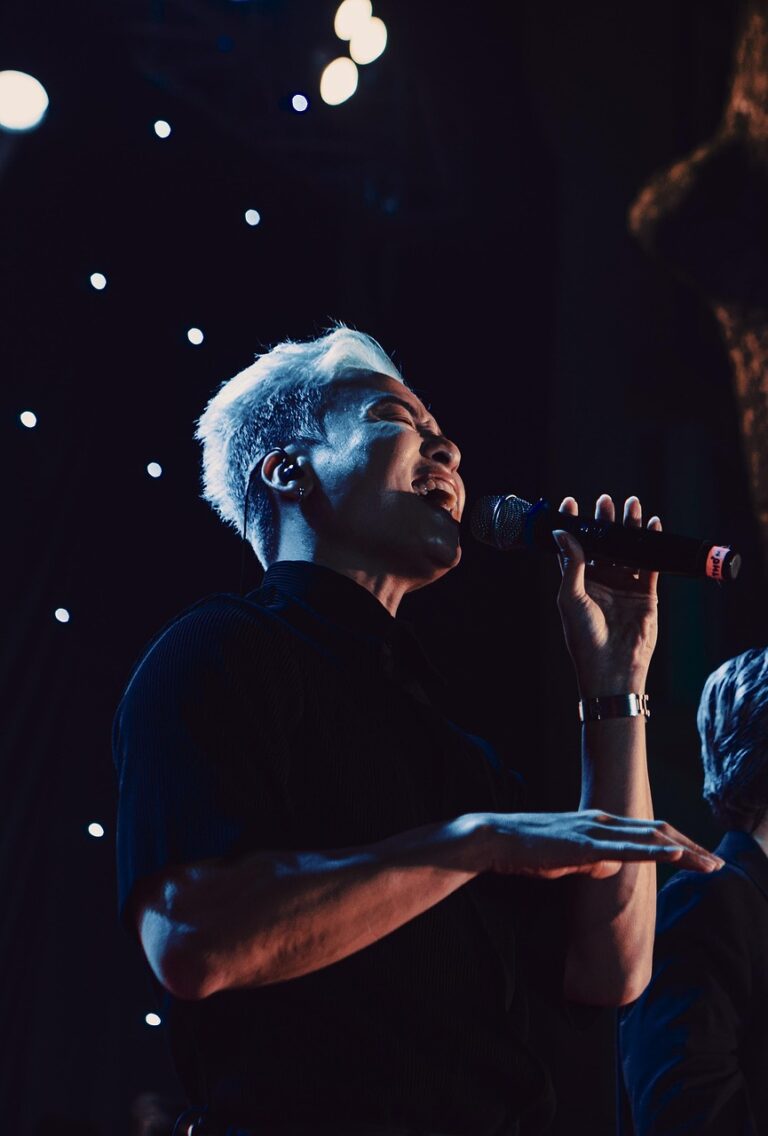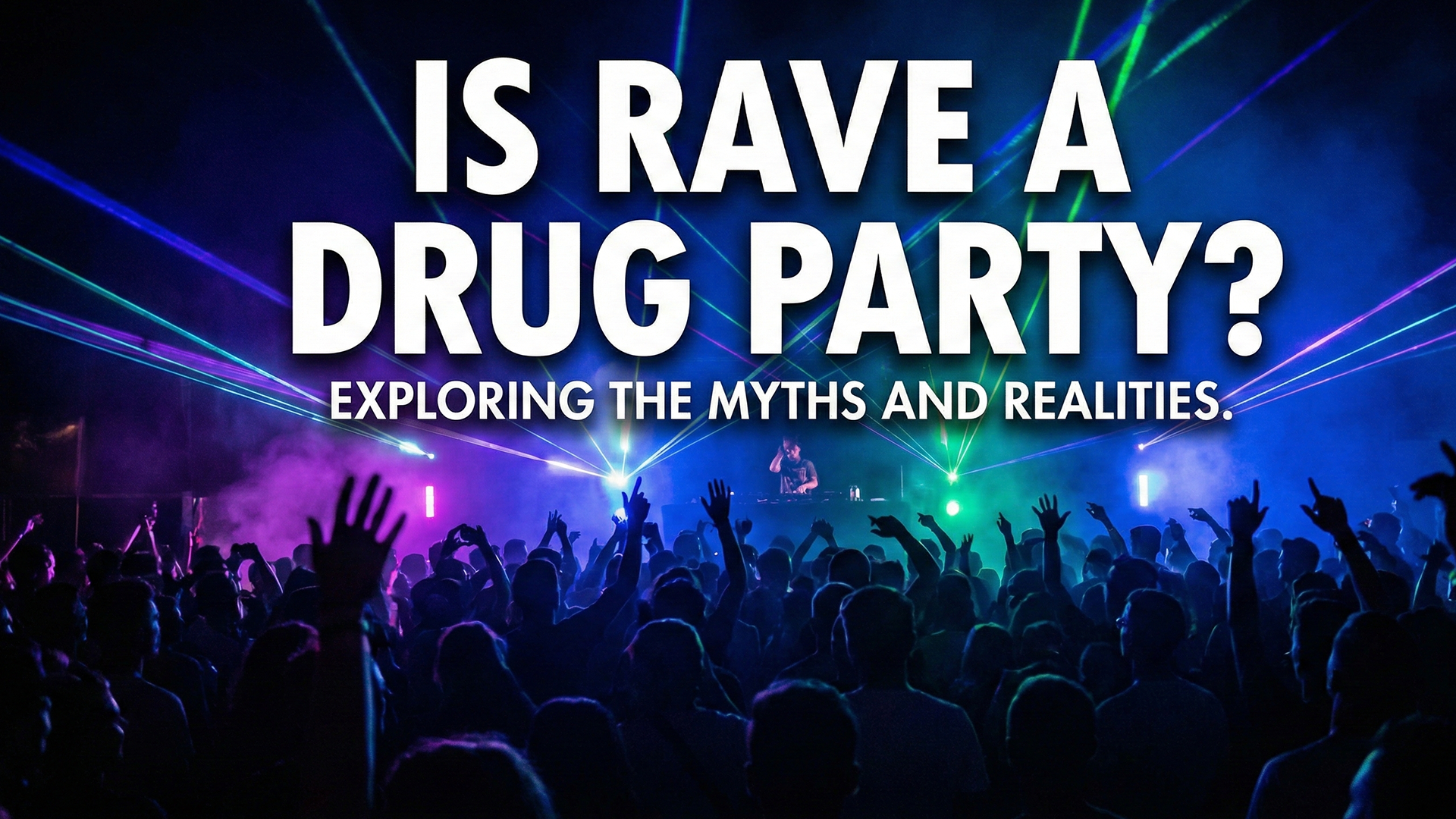

The intense media focus on drug use means the question Is rave a drug party? often overshadows the music and community. The reality is complex. Historically, the use of certain psychoactive substances became a feature of the rave scene. However, the culture itself is much broader. It is rooted in music, community, and the values of P.L.U.R.
The Historical Association with Club Drugs
From the late 1980s onward, drug use became closely linked to the rave environment. This was particularly true with “club drugs.”
- MDMA (Ecstasy/Molly): This substance is the most commonly associated drug. Its empathogenic effects enhance feelings of peace, connection, and emotional empathy. These feelings strongly align with the P.L.U.R. ethos.
- Functional Use: Many attendees used stimulants to enhance their energy. This allowed them to dance for the marathon length of the all-night events.
- The Environment: In fact, certain elements of the rave environment were designed to heighten the sensory experience. These include extravagant light shows and hypnotic electronic music.
The True Core: P.L.U.R. and Community
The culture created its own code of ethics to manage the environment. This code is the P.L.U.R. ethos.
- P.L.U.R. Defined: Peace, Love, Unity, and Respect (P.L.U.R.) acts as a voluntary code of conduct. It encourages mutual care and non-violence.
- Safety Protocol: Therefore, the culture often developed its own harm reduction practices. These include checking on strangers and ensuring hydration.
- Beyond Drugs: Many scholars argue that the communal feelings are not only a result of drug use. The collective, intense experience of dancing to driving music, like House and Techno, fosters group solidarity and euphoria regardless of substance use.
The Modern Rave: Mainstream and Diverse
Today’s rave scene is more commercialized and visible. It has moved from secretive warehouses to massive, licensed music festivals.
- High Attendance: Consequently, the audience is broader than ever. While drug use is still a factor at these events, the focus has shifted to the spectacle and the music itself.
- The Beat is Essential: The music, pioneered by Chicago artists who began to play house, remains the central organizing principle. The beat is the reason people gather.
Final Conclusion
To label a rave as only a drug party is a reductionist and outdated view, often fueled by moral panic. While drug use is undeniably present, it is not the definition of the event. The rave is, at its core, a music-driven cultural phenomenon. It is defined by its core values, its history, and its deep connection to the beat.
An artist like DJ Play House contributes to the pure joy of the music. They help define the genre that is the undisputed reason for the rave’s existence.